Spiritual Illumination
Holistic Development of Mind, Body, and Soul
Emphasis on Moral and Spiritual Values
Value-Based Education Aligned with CBSE Guidelines
Cultivation of Self-Awareness and Inner Discipline
Spiritual Growth Through Prayer and Reflection
Respect for All Religions and Universal Values
Character Building Through Faith and Ethics
Structured Divinity Education Programme
The holistic development of a child—physical, mental, and emotional—plays a vital role in shaping a strong and balanced personality. It helps the individual emerge from an undefined subconscious state into a well-defined, self-aware being. However, this growth remains incomplete without spiritual education, which provides a deeper understanding of life’s true purpose, the meaning of human existence, and a sense of dedication to one’s eternal values. This inner discovery is often nurtured through spiritual awareness and the enrichment gained from a value-based and religious way of life.
In alignment with this philosophy, the Central Board of Secondary Education (CBSE) emphasizes the importance of moral and spiritual education, stating:
“It is expected that students should have undergone courses or activities aimed at moral and spiritual values. Schools may design their own programmes for this purpose.”
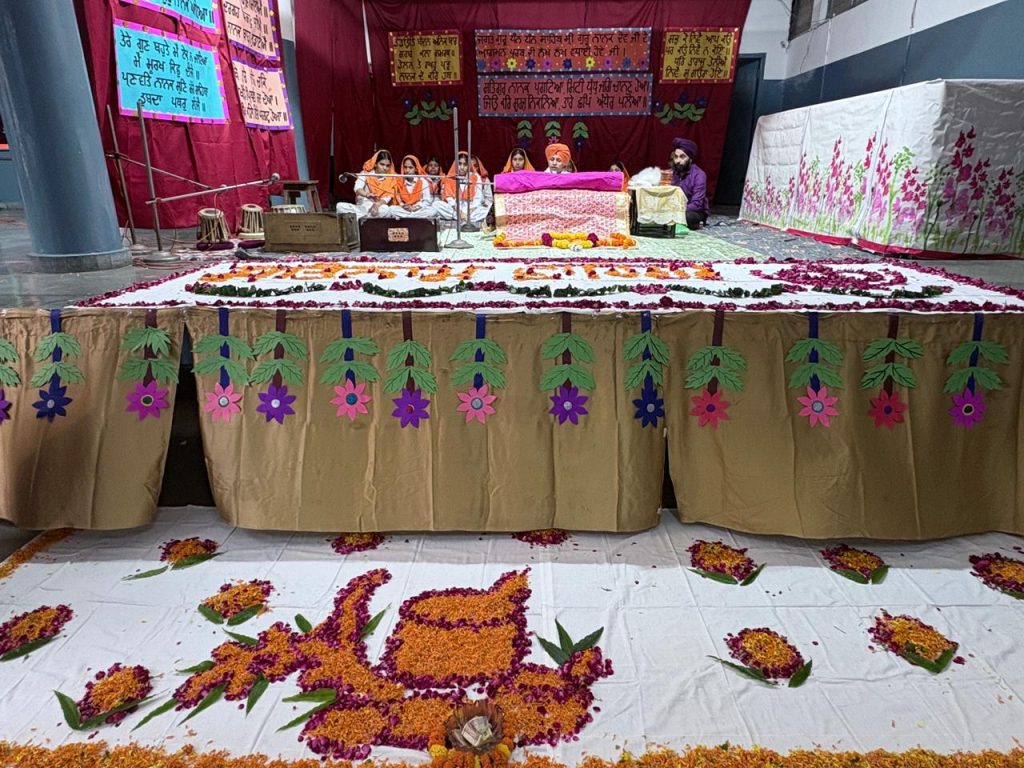
Keeping this directive in view, the school has developed a comprehensive programme for the inculcation of spiritual values, which includes:
Singing of devotional hymns during the Morning Assembly
Interpretation and reflection on prayers and sacred scriptures
Celebration of major religious festivals
Organization of lectures and talks on religious and moral themes
Formal instruction in Divinity as part of the curriculum
All students are required to undertake a structured course in Divinity, which is treated as a compulsory subject. Promotion to the next class is granted only upon successful completion of this course.